Southern-Led • Research-Driven • Not-For-Profit
The Development Policy Initiative Forum (DPIF) democratizes development across Africa and the Global South through inclusive research, policy forums, capacity building and localized monitoring & evaluation.
0
Strategic Pillars
0
Flagship Short Courses
0
Core Values
0
Contact Hours per Course
“We do not build for; we build with.”
— The DPIF Co-Creation Pledge
Who We Are
DPIF is a Kenyan-based, non-governmental, non-profit policy organization established to democratize development processes in Africa. Despite trillions of dollars in aid, many communities continue to experience poverty, inequality and a lack of self-reliance — because the chasm between well-crafted policies in capital cities and their implementation on the ground remains stark.
We empower policymakers, civil society, students and local communities with evidence-based research, inclusive policy dialogues and targeted capacity-building — transforming development from a top-down intervention into a participatory, community-owned process.
Our Vision
A world where equitable and sustainable development policies empower marginalized communities to achieve self-reliance and prosperity.
Our Mission
To bridge the gap between development initiatives and tangible progress by fostering evidence-based policymaking, inclusive dialogue, and Southern-led innovation.
Our Compass
We are driven by dignity, guided by data, and grounded in partnership. We pursue radical equity without compromise, sustainability without shortcuts, and accountability without fear — because the communities we serve deserve nothing less.
Every individual is the expert of their own life. We reject saviourism, engage with humility and measure success by how we uplift existing community strengths.
We treat everyone fairly based on their unique barriers — not identically. We dismantle systemic inequalities and allocate resources to the historically excluded.
We pair hard data with human stories. Rigorously analytical, we never let numbers obscure the human experience — credible and deeply compassionate advocacy.
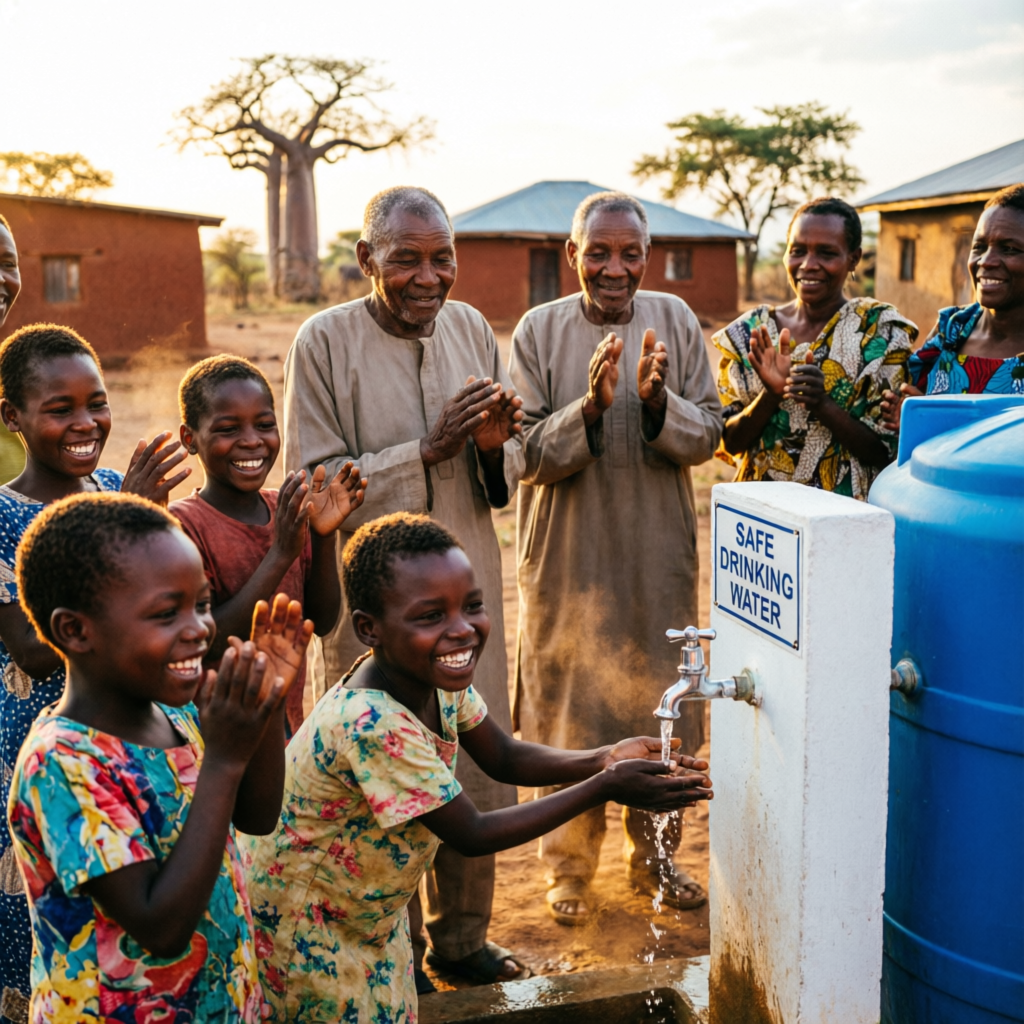
We enter communities as partners, not experts. Local knowledge, traditions and priorities shape every policy, program and decision from start to finish.
We plant trees under whose shade we do not expect to sit. Every initiative must be environmentally sound, economically viable and socially resilient.
Transparent in success and failure alike, we welcome feedback, measure impact rigorously, and speak truth to power without fear.

The Problem
The development landscape is marked by critical shortcomings that DPIF was established to confront — head-on, and together with communities.
“Sustainable development must be evidence-based, participatory and decolonized.”
— The DPIF Conviction
Policies fail due to weak institutional capacity, lack of local ownership and designs misaligned with ground-level realities.
Agendas shaped by international institutions sideline local expertise and promote one-size-fits-all solutions that can be harmful.
Local leaders lack timely, context-specific research; civil society lacks resources to engage meaningfully in policy processes.
Youth, women, rural communities and indigenous populations are shut out of the decision-making tables where their futures are shaped.
Inconsistent leadership and lack of project continuity prevent the long-term commitment sustainable development demands.
Without robust M&E systems, it is impossible to learn, ensure accountability or demonstrate real impact.
What We Do
Each pillar is delivered by a dedicated functional department — from research to training, advocacy to knowledge democratization.
Pillar 01Cutting-edge, Southern-led research on poverty reduction, climate adaptation, governance and program evaluation — translated into accessible policy briefs and practical recommendations.
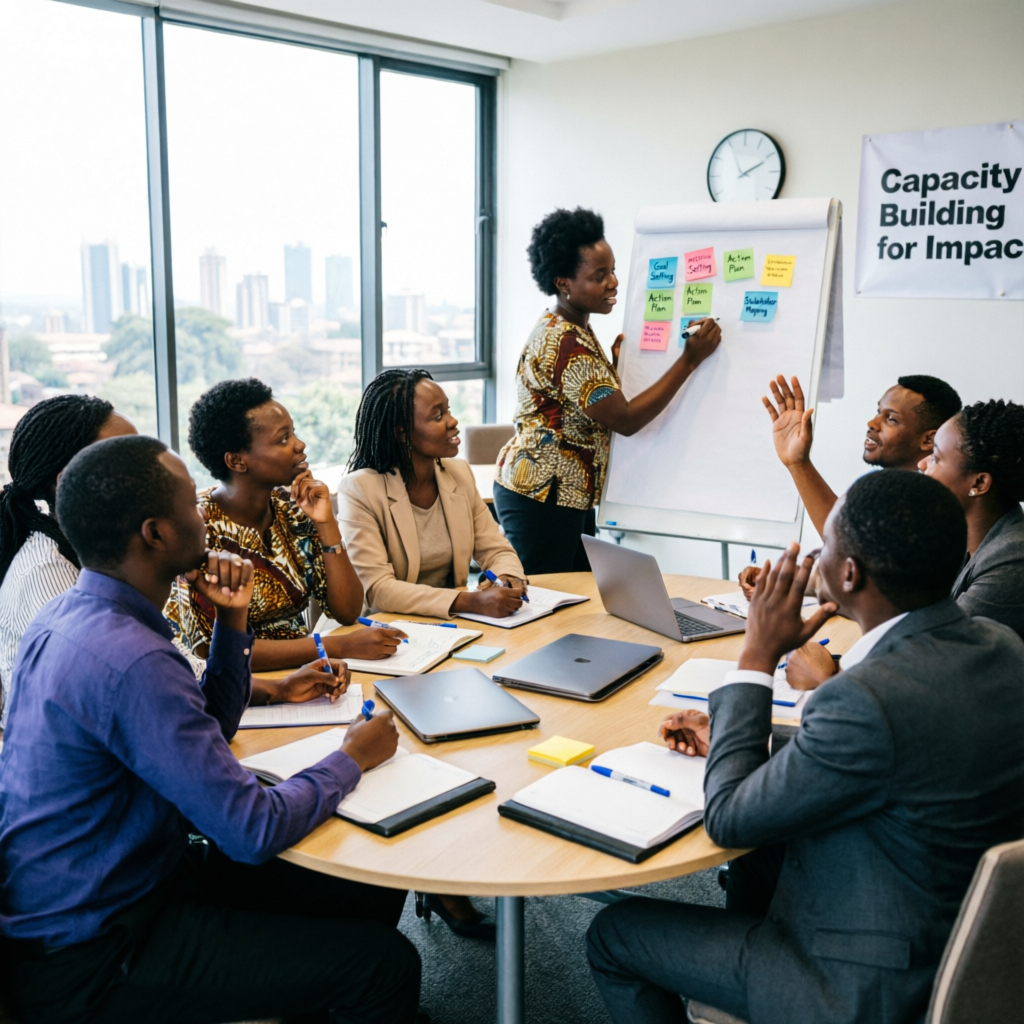
Pillar 02Workshops, short courses and mentorship — online and in-person — equipping development actors with practical, job-ready skills.
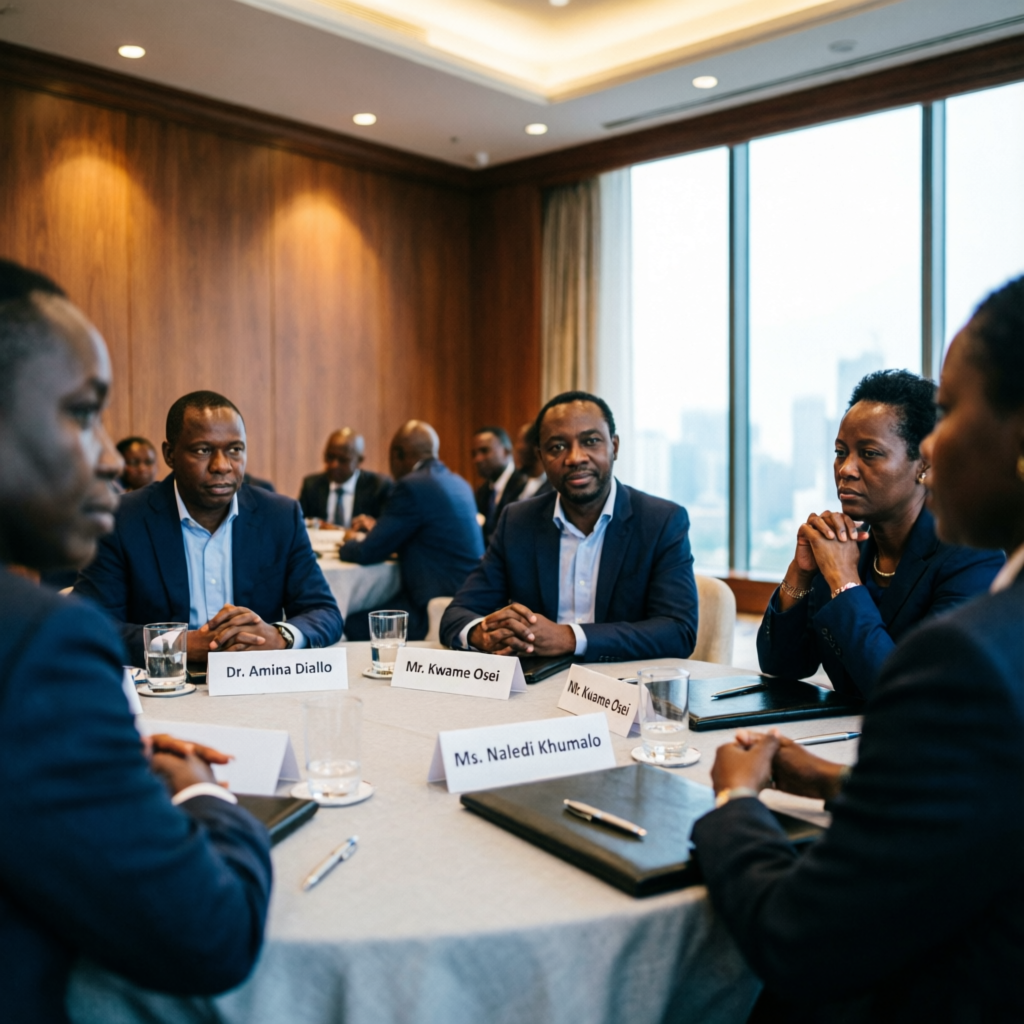
Pillar 03High-level forums, conferences, roundtables and community dialogues — engaging the UN, EAC and AU to amplify Southern perspectives.
Pillar 04Open-access publications, multimedia content and digital platforms — with a long-term goal of establishing the DPIF Policy Institute.
Capacity Building & Training
4 weeks • 4 days a week • 2-hour lessons (32 contact hours) • Hybrid delivery • DPIF Certificate of Completion • 20%+ scholarship slots per cohort.
Click “View Curriculum” for the full four-week programme, or “Enroll Now” to jump straight to the application form.
Admissions Open
Takes under 2 minutes. Your application is delivered directly to dpifkenya@gmail.com and we respond within 2 working days.
Reference: DPIF/SC/2026/000
Sent to dpifkenya@gmail.com. Our training team will contact you within 2 working days with admission details, fees and the cohort schedule.
Expected Outcomes
Tangible influence on national and regional policies, making them more evidence-based and inclusive.
Enhanced capacity of government bodies and CSOs to effectively implement and evaluate development programs.
A measurable increase in the participation of marginalized groups in policy design and monitoring.
Established platforms for sustained knowledge exchange and partnership across the Global South.
“We plant trees under whose shade we do not expect to sit.”
Who We Serve
Policymakers — National & County
Academics, Researchers & Think Tanks
CSOs, NGOs & CBOs
International Development Agencies
Marginalized Communities
Students & Emerging Scholars
Governance & Leadership
Our Board comprises experts in development policy, academia, international relations, project management and monitoring & evaluation — providing strategic guidance, oversight and fiduciary responsibility.
Chairperson
Founder / Board Member
Treasurer
Secretary / Executive Director
Board Member
Conducts studies and produces policy recommendations.
Develops and delivers workshops, short courses and mentorship programs.
Oversees all M&E programs, frameworks and activities.
Manages stakeholder engagement; organizes dialogues, conferences, seminars and roundtables.
Responsible for publications, digital media and public relations.
Handles administration, HR, finance, grants management, IT and compliance.
Partnerships
We welcome collaboration with governments, multilateral agencies, foundations, universities, CSOs and the private sector — through joint research, co-delivered training, policy dialogues, funding and South-South knowledge exchange.
Contact Us
Registered Office
Nairobi, Kenya
(Address as determined by the Board of Directors)
Office Hours
Monday – Friday, 8:00 AM – 5:00 PM (EAT)